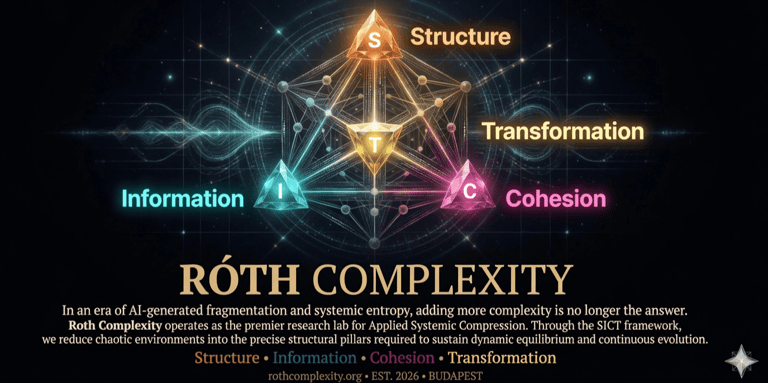
Exploring Dimension-Adaptive SICT Theory
Exploring Dimension-Adaptive SICT Theory that need further testing and validation.


Introduction to Dimension-Adaptive SICT Theory
The Dimension-Adaptive SICT (Social Interaction and Communication Technologies) Theory is an innovative framework that sheds light on the interactions facilitated by technology in various dimensions. This theory posits that the effectiveness and impact of social interaction technologies can vary significantly based on the context and dimension in which they are applied. In an increasingly digital age, understanding this theory is essential for optimizing technology to enhance social communication.
The Core Principles of SICT Theory
At the heart of the Dimension-Adaptive SICT Theory are several core principles that highlight how different dimensions—be they cultural, temporal, or spatial—affect social interactions. The theory proposes that technology does not operate in a vacuum; rather, the surrounding environment greatly influences its effectiveness. For instance, a social media platform may function well in one sociocultural context but may struggle in another due to varied norms and communication styles.
Applications of Dimension-Adaptive SICT Theory
Understanding the implications of this theory is crucial for developers, educators, and policymakers alike. By applying the principles of Dimension-Adaptive SICT, they can tailor technologies to meet the diverse needs of users across different contexts. For example, in educational settings, adapting technology based on student demographics and cultural backgrounds can lead to more effective learning experiences. In the corporate realm, businesses can enhance team collaboration through tools that are responsive to the unique dimensions of their workplace culture.
Conclusion
The Dimension-Adaptive SICT Theory invites us to reconsider how we design and implement social interaction technologies. By acknowledging the importance of context and adaptability, we can foster better communication and social engagement in an array of environments. As technology continues to evolve, the insights gained from this theory will become increasingly relevant for achieving effective social interaction.
Contact
Reach out for insights or collaboration.
© 2025. All rights reserved.
Phone